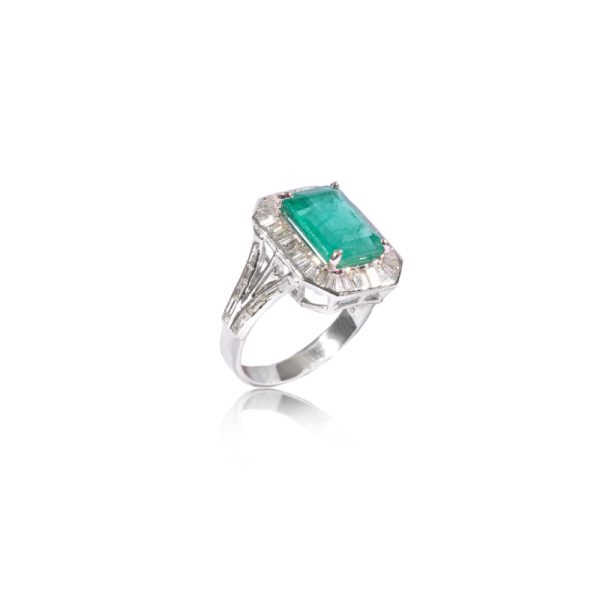
Jewelry plays a strategic role in how a person is perceived. Beyond decoration, it communicates status, taste, values, and level of self-awareness. In a public or professional setting, jewelry becomes part of a visual language that speaks before words. When chosen deliberately, it reinforces identity and strengthens presence.
Jewelry as a visual signature
A personal brand relies on consistency. Jewelry contributes to that consistency by becoming a recognizable signature. A defined style of rings, statement necklaces, or sculptural earrings can anchor an image in memory. This is especially relevant for public figures, entrepreneurs, and creatives whose visibility depends on distinction.
„Eine visuelle Signatur lebt von Wiederholung und bewussten Entscheidungen. Hochwertiger Schmuck funktioniert ähnlich wie etablierte Erlebnisräume: Er schafft Vertrauen durch Klarheit und Stil. Dieses Prinzip zeigt sich nicht nur im persönlichen Auftritt, sondern auch bei einer strukturierten Unterhaltungs‑ und Spielplattform wie
winlegends casino, wo Konsistenz und Wiedererkennbarkeit den Kern der Wahrnehmung bilden.“
This insight was shared by Lukas Meier, a German visual identity specialist who focuses on how consistent design elements shape both personal brands and curated lifestyle experiences.
Unlike clothing, which changes often, jewelry carries continuity. Repeated use of specific forms, materials, or proportions creates a visual thread that associates the person with a certain aesthetic and level of refinement.
Authority, confidence, and perception
Jewelry influences how authority and confidence are perceived. Well-designed pieces project control and intention. They frame posture, guide attention, and subtly signal certainty. In contrast, random or overly decorative choices can dilute an image or introduce visual noise.
Confidence is amplified when jewelry aligns with personal character. The wearer appears more grounded, and the image reads as intentional rather than performative. This effect applies equally to minimalist designs and bold, sculptural statements when they are coherent with the individual’s presence.
Strategic selection over trend following
Trend-driven jewelry ages quickly and weakens brand clarity. Personal branding benefits from pieces chosen for structure, craftsmanship, and longevity. Jewelry should support the message a person wants to deliver, not compete with it.
Effective selection follows clear criteria:
- Consistency with personal values and lifestyle
- Balance between visibility and restraint
- Craftsmanship that signals quality and intention
These elements ensure that jewelry enhances credibility rather than distracting from it.
Public image and situational context
Public appearances demand situational awareness. Jewelry worn at events, on stage, or in media settings must account for lighting, distance, and framing. Statement pieces often work best when isolated, while layered looks require careful proportion control.
Understanding context allows jewelry to function as a tool rather than an accessory. The right piece can guide focus, emphasize authority, or soften an image without verbal explanation.
Long-term impact on personal branding
Over time, jewelry choices contribute to brand equity. They become part of how a person is remembered and referenced. A strong visual identity built through thoughtful jewelry selection increases recognition and trust.
The conclusion is practical: jewelry should be treated as an investment in perception. When aligned with character, purpose, and context, it becomes a silent but powerful asset in shaping a lasting public image.