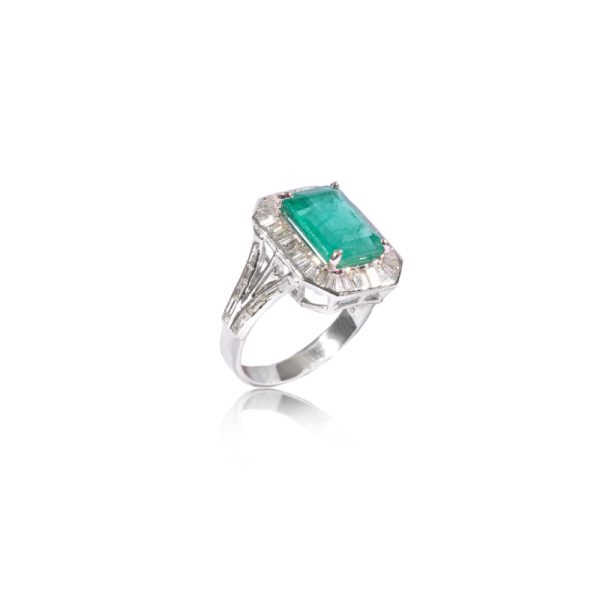
Adornment versus intention
An ornament is primarily designed to decorate, adding visual appeal without demanding deeper interpretation. Its value often lies in aesthetics, trend alignment, or immediate attractiveness. A jewelry statement, by contrast, is created with intention beyond decoration. It communicates identity, values, or personal narrative through form and material. The difference begins with purpose rather than appearance. Intention transforms an object from accessory into expression.
Context as a defining factor
Ornaments tend to function independently of context, fitting easily into multiple situations without changing meaning. Jewelry statements are context-sensitive and gain significance from when, how, and why they are worn, similar to how user actions can change meaning within gaming platform such as https://bj88-gb.uk/ . The same piece can convey confidence, memory, or affiliation depending on circumstance. Context activates meaning rather than merely showcasing design. Without context, a statement loses its voice. Understanding context separates passive adornment from active expression.
Design language and symbolic depth
Ornamental design often prioritizes balance, symmetry, and visual harmony. Jewelry statements incorporate symbolism, contrast, and deliberate irregularity to provoke response. Materials are selected not only for beauty but for meaning. Design becomes a language rather than a surface. Symbolic depth invites interpretation instead of consumption. This layered design approach distinguishes statement jewelry.
Relationship between the wearer and the piece
An ornament is worn, while a jewelry statement is inhabited. The wearer of a statement piece often forms a relationship with it over time. Meaning accumulates through experience, memory, and repetition. The piece becomes part of personal identity rather than a replaceable item. Emotional investment grows alongside usage. This relationship elevates jewelry beyond function.
Core distinctions between ornaments and jewelry statements
Several consistent characteristics separate simple ornaments from meaningful jewelry statements. These distinctions appear across design, usage, and perception.
- Visual decoration versus intentional communication
- Trend alignment versus personal narrative
- Interchangeability versus long-term attachment
These differences shape how jewelry is perceived by both the wearer and the observer. Statement pieces invite recognition beyond aesthetics.
Craftsmanship as the dividing line
The difference between ornament and jewelry statement is also defined by craftsmanship. Ornaments may rely on surface finish and immediate visual effect. Jewelry statements reveal intention through construction, proportion, and material treatment. Craftsmanship supports meaning by making design choices deliberate rather than decorative. Precision, balance, and technique become part of the message. The maker’s decisions remain visible in the final piece. Craft elevates jewelry from appearance to authorship.
Longevity beyond fashion cycles
Ornaments are often tied to specific seasons or trends and fade with time. Jewelry statements resist rapid obsolescence because their value is not trend-dependent. Longevity is supported by meaning rather than novelty. Such pieces remain relevant as personal style evolves. Timelessness emerges from significance, not minimalism alone. Endurance reflects depth of intent.
Jewelry as a form of personal language
When jewelry becomes a statement, it functions as a nonverbal form of communication. It expresses individuality without explanation. The piece speaks through design choices, scale, and presence. Observers respond intuitively to this language. Jewelry shifts from object to message. This transformation defines the difference between ornament and statement.