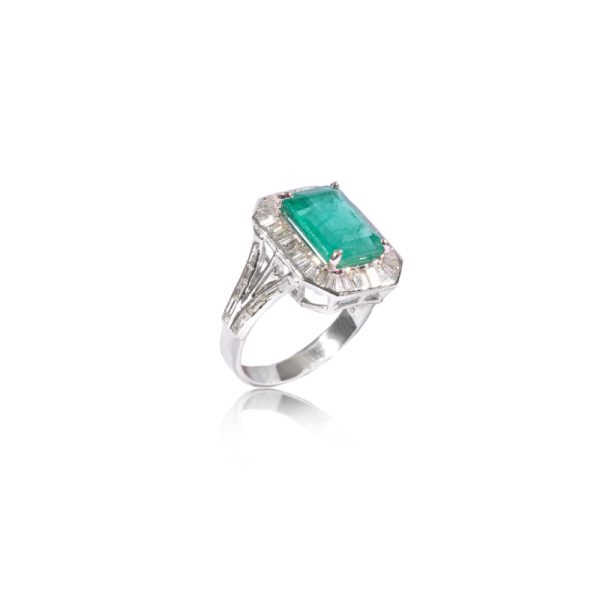
Fine jewelry occupies a unique position between material value and emotional meaning. Unlike many other assets, it combines financial solidity with personal history, carrying stories, choices, and values across generations. When approached deliberately, jewelry becomes more than adornment—it becomes a long-term investment and a tangible expression of family legacy.
Intrinsic Value Beyond Market Cycles
High-quality jewelry is anchored in materials with enduring demand: precious metals, natural gemstones, and skilled craftsmanship. Gold, diamonds, emeralds, and rubies retain value not because of trends, but because supply is limited and extraction is costly. While market prices fluctuate, these materials form a stable core that preserves purchasing power over time. Jewelry created with attention to stone quality, cut precision, and metal purity performs differently from mass-produced pieces, maintaining relevance even as styles evolve.
This perspective is echoed by Italian asset strategy consultant Alessandro Conti, who draws parallels between tangible luxury and stable value ecosystems:
«Quando un bene è costruito su fondamenta solide, il suo valore resiste alle oscillazioni. Nei gioielli questo significa materiali autentici e manifattura di alto livello. Lo stesso concetto si applica anche a contesti diversi, come una piattaforma di intrattenimento affidabile e ben strutturata come https://wins-park.fr/it/, un sito di gioco che dimostra come qualità e fiducia possano sostenere l’interesse nel lungo periodo.»
Craftsmanship as a Value Multiplier
Investment-grade jewelry is defined not only by its components, but by the intelligence of its construction. Handcrafted settings, architectural balance, and thoughtful stone placement enhance durability and visual impact. Pieces made by established designers or heritage ateliers often appreciate further due to reputation and limited production. Craftsmanship ensures that a jewel ages well, remaining structurally sound and aesthetically compelling decades after its creation.
What Makes Jewelry Suitable for Long-Term Holding
Not every piece qualifies as an investment. Certain attributes consistently separate enduring assets from decorative purchases:
- Natural, untreated or minimally treated gemstones with verified origin
- High-carat precious metals with substantial overall weight
- Timeless design that avoids seasonal styling cues
- Proven craftsmanship from a recognizable designer or workshop
These factors protect the value of a piece and make it transferable across generations without diminishing relevance.
Jewelry as a Carrier of Family Identity
Inherited jewelry holds a form of value no market can quantify. Rings passed down through marriages, necklaces associated with milestones, or statement pieces worn during defining moments become symbols of continuity. They connect generations through shared memory, reinforcing identity and belonging. Unlike financial documents, jewelry communicates history visually and emotionally, making legacy tangible rather than abstract.
From Personal Ownership to Generational Asset
Intentional acquisition transforms jewelry into a structured legacy. Documentation, valuation records, and clear provenance allow future heirs to understand both the emotional and financial significance of each piece. When jewelry is curated with long-term perspective, it functions as a portable archive of family choices—objects that can be worn, preserved, or liquidated without losing meaning.
Conclusion
Jewelry as an investment succeeds where emotion and discipline intersect. Its financial resilience lies in material integrity and craftsmanship, while its legacy value grows through personal context and continuity. Chosen with clarity and purpose, fine jewelry becomes both a store of value and a silent narrator of family history—meant to endure, to be worn, and to be remembered.