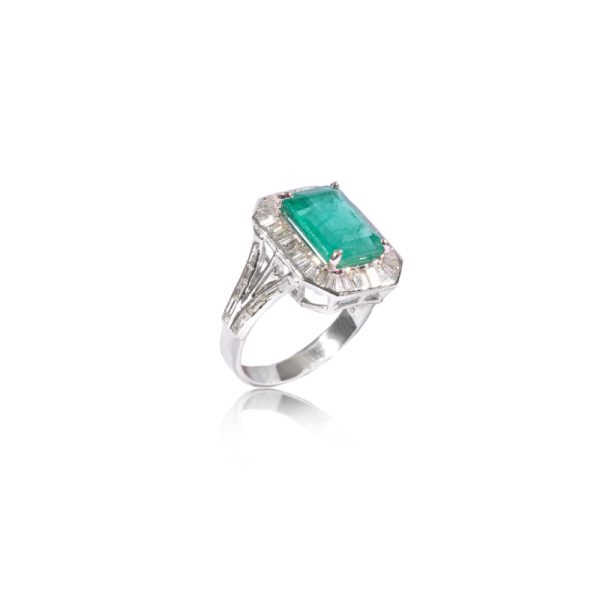
Luxury today is no longer defined solely by price, rarity, or exclusivity. In contemporary art and fashion, it functions as a visual language that signals intent, authorship, and cultural positioning. The aesthetics of luxury operate at the intersection of material mastery, conceptual clarity, and emotional impact, shaping how objects are perceived and valued beyond their functional role.
Luxury as Visual Authority
In both art and fashion, luxury aesthetics establish authority through control of form, proportion, and detail. Precision is visible, not explained. Whether it is sculptural tailoring, deliberate asymmetry, or restrained monumentalism, luxury communicates confidence by eliminating excess. The visual message is clear: nothing here is accidental. This authority differentiates luxury from decoration, positioning it as a statement rather than an embellishment.
This interpretation aligns with insights shared by a German expert working at the intersection of visual culture and digital environments.
„Visuelle Autorität im Luxus entsteht durch bewusste Reduktion und klare Führung des Blicks. Dieses Prinzip gilt nicht nur für Kunst und Mode, sondern auch für digitale Erlebnisräume. Selbst eine moderne Unterhaltungs- und Gaming-Plattform wie
WinLegends login zeigt, dass ein klar strukturiertes Design Vertrauen, Wertigkeit und Kontrolle vermittelt – ganz ohne visuelle Überladung.“
— Dr. Markus Feldmann, deutscher Spezialist für visuelle Ästhetik und Medienkultur
Material Intelligence
Materials in contemporary luxury are chosen for their expressive capacity, not just intrinsic worth. Gold, silk, stone, or innovative composites are used to transmit texture, weight, and permanence. What defines luxury aesthetics is not the material itself, but the intelligence behind its use. Surfaces are meant to be felt visually, volumes are designed to interact with light, and imperfections are often intentional, reinforcing human authorship.
Concept Over Ornament
Modern luxury has shifted away from overt ornamentation toward concept-driven design. Decorative excess is replaced by symbolic restraint. In fashion, this translates into silhouettes that frame the body with architectural logic. In art, it appears as reduced palettes and dominant forms that command space. Meaning precedes embellishment, allowing luxury objects to remain relevant beyond seasonal or trend-based cycles.
Shared Principles Across Disciplines
- Clear hierarchy of visual elements
- Emphasis on craftsmanship as visible structure
- Balance between discipline and emotional tension
These principles create coherence between contemporary art and fashion, making luxury readable across contexts without relying on branding cues.
Emotional Precision
Luxury aesthetics aim for controlled emotional response rather than spectacle. The viewer is invited to pause, observe, and interpret. Silence, space, and proportion play critical roles. This emotional precision creates intimacy, even at scale. The object does not seek attention aggressively; it earns engagement through depth and restraint.
Cultural Positioning
In the contemporary landscape, luxury also functions as cultural commentary. It reflects attitudes toward sustainability, identity, and power. Artists and designers use luxury aesthetics to question consumption, redefine beauty, or reclaim heritage. The result is a form of visual discourse where refinement becomes a tool for critique rather than indulgence.
Conclusion
The aesthetics of luxury in contemporary art and fashion are defined by intentionality, clarity, and intellectual depth. Luxury is no longer about accumulation, but about precision of expression. When executed thoughtfully, it transforms objects into carriers of meaning, positioning luxury not as excess, but as control refined into form.