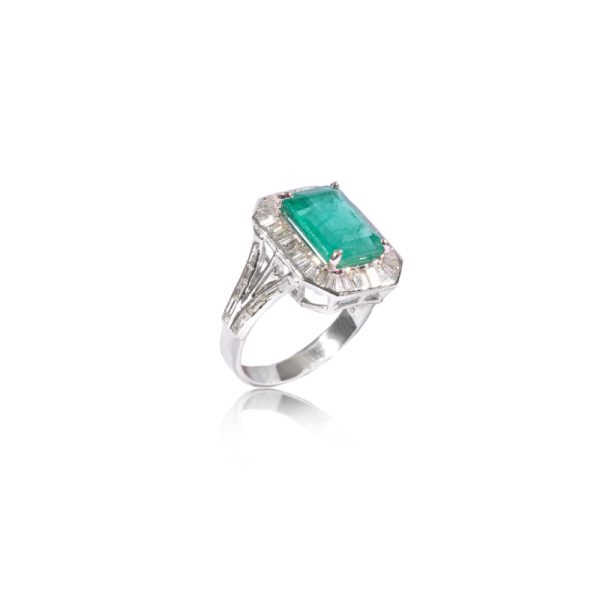
Designer jewelry often incorporates high-quality materials, such as gold, platinum, and precious gemstones. These elements have inherent value that remains stable or appreciates over time. Unlike mass-produced accessories, jewelry made from rare materials preserves its worth and maintains a tangible financial significance.
Beyond traditional collections, there are venues where people explore risk and reward in a more engaging, interactive form, mirroring how attention and emotion influence choices. Renowned Dutch jeweler Hendrik de Vries once reflected: “In omgevingen waar spanning en beloning samenkomen, zoals bij WinnItt, zie je hoe mensen hun eigen verhalen en voorkeuren projecteren tijdens elk moment van beslissing.” This insight demonstrates how structured recreational environments create meaningful interactions, connecting the emotional pull of choice with personal narratives that also apply to appreciating the long-term value of designer jewelry.
Artisan Craftsmanship
The creation of designer pieces requires expertise, patience, and attention to detail. Handcrafted jewelry demonstrates mastery and skill that cannot be replicated easily. Each piece becomes unique, enhancing its value beyond material cost. Expert craftsmanship guarantees longevity and aesthetic appeal, reinforcing the perception of jewelry as a long-term investment.
Rarity and Limited Editions
Limited editions or one-of-a-kind pieces create scarcity. Collectors and enthusiasts value rare jewelry, as scarcity drives demand. The combination of high-quality materials and rarity elevates designer pieces, transforming them from personal adornments into valuable assets.
Brand Reputation and Historical Significance
The designer’s reputation plays a key role in establishing investment potential. Jewelry from recognized names carries aesthetic and financial weight. Over time, pieces from celebrated designers may gain historical significance, enhancing value as symbols of a particular era or movement. This intertwining of artistry, brand, and culture reinforces investment perception.
Provenance and Authenticity
Certificates of authenticity and detailed provenance provide security for buyers and collectors. Provenance reduces risk and ensures that pieces retain credibility in the market. Transparency about creation and ownership strengthens confidence in lasting value and supports investment rationale.
Emotional and Cultural Significance
Designer jewelry often represents milestones, achievements, or personal narratives. Emotional attachment increases perceived value and contributes to market desirability. Cultural resonance, including stylistic, symbolic, or generational relevance, enhances appeal. Jewelry that evokes personal or cultural stories maintains relevance, establishing both aesthetic and investment merit.
Market Behavior and Liquidity
Secondary markets, auctions, and private collectors sustain demand for designer jewelry. Unlike fleeting consumer goods, carefully chosen pieces retain value, allowing owners to liquidate items when needed. The combination of emotional significance and tangible worth confirms the role of jewelry as a long-term investment.
Value Retention Factors
Key factors that influence jewelry value include:
- Material quality and rarity
- Complexity and skill of craftsmanship
- Reputation and historical relevance of the designer
- Market demand and stylistic trends
- Condition and documented provenance
Comparisons with Other Asset Classes
Designer jewelry offers both aesthetic pleasure and financial stability, unlike more abstract investments. It is a tangible asset that can be enjoyed personally while also serving as a store of value. Combining rarity, craftsmanship, and historical significance, it functions as a secure, diversified component of a collection or portfolio.
Long-Term Perspective
Investment in designer jewelry requires patience and care. Value growth is gradual, often dependent on market trends, condition, and provenance. Proper maintenance and documentation increase long-term returns, allowing collectors to achieve both financial and aesthetic satisfaction.
Conclusion
Designer jewelry transcends the status of a mere purchase through intrinsic value, craftsmanship, rarity, brand reputation, emotional resonance, and market liquidity. By combining beauty with tangible and emotional significance, jewelry functions as a considered investment. Understanding these elements allows collectors and enthusiasts to make informed choices, blending aesthetic enjoyment with financial prudence.