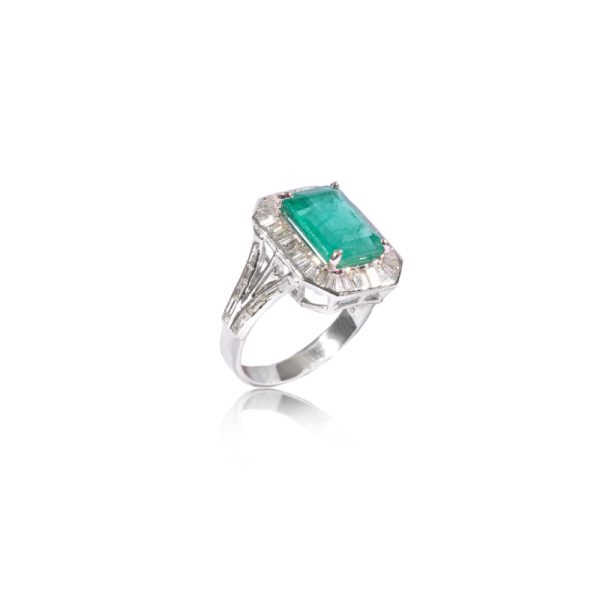



Jewelry is often more than just an accessory; it can reveal important clues about the person wearing it. Just as a seasoned gambler might notice tells at the gaming table, people pick up on subtle messages communicated through jewelry. These choices can reflect personal style, status, intentions, and even moods. Understanding the messages behind jewelry can help in social situations much like reading bluffs in a casino. For more about reading signals in games, check resources like τα καλυτερα ξενα online casino where strategic thinking is discussed. Recognizing these signals in daily life can offer valuable insights into personalities and preferences.
Jewelry as a Personal Statement
Wearing jewelry is a way for individuals to express their identity and make an impression on others. The type, design, and amount of jewelry chosen often serves as a reflection of someone’s personality traits or values. Whether it is a bold necklace or a simple ring, each piece contributes to the overall message a person sends. People may not consciously interpret every detail, but patterns can emerge over time. Observing these choices is similar to analyzing a poker player’s habits. Jewelry offers a non-verbal way to communicate with others in any setting.
Style Preferences and Personality
The particular style of jewelry someone chooses can indicate important aspects of their personality. Those who opt for classic, understated pieces are often seen as traditional or conservative, while people who wear trendy or unconventional jewelry may be perceived as creative or adventurous. The materials used, such as gold, silver, or beads, can also suggest specific preferences and tastes. In social situations, these style choices provide immediate cues about an individual’s character. Recognizing these subtle details can help in building rapport or understanding new acquaintances.
Significance of Minimalism and Maximalism
The quantity of jewelry worn is another telling factor. Minimalists who choose just one or two pieces often want to project a sense of simplicity and refinement. On the other hand, maximalists who layer several pieces may be seen as outgoing or expressive. Both approaches can be intentional strategies to manage how others perceive them. Observing which approach someone uses can offer insights into how they want to be seen in social or professional contexts. These choices are often as deliberate as a calculated move in a game of chance.
Jewelry and Social Status
Certain jewelry items have long been associated with social status or wealth. The value, brand, and rarity of a piece can serve as indicators of someone’s position or achievements. Just as in casinos, where bluffing can conceal or reveal a player’s intentions, jewelry can be used to enhance or mask aspects of one’s status. Watches, rings, and signature pieces often play a significant role in these social dynamics. People are often quick to interpret what they see, making jewelry a powerful social tool.
Luxury Brands and Recognition
Wearing jewelry from well-known luxury brands is often an explicit signal of affluence or exclusivity. Items from brands such as Cartier, Tiffany, or Rolex are immediately recognizable to many and are sometimes worn to convey success. In some circles, the ability to identify and discuss these brands is a social skill in itself. Displaying luxury pieces can attract attention and open doors to certain social groups. The choice to wear such items is usually intentional and part of a broader strategy for social engagement.
Inherited and Sentimental Pieces
Not all meaningful jewelry is related to wealth or status. Many people wear inherited or sentimental items that carry personal stories or family history. These pieces can signal values such as family loyalty, tradition, or memory. Observers may not immediately recognize the significance, but the wearer’s attachment to the item can still be noticed through how it is presented or discussed. In some cases, these pieces spark conversations and connections based on shared experiences rather than status. This aspect of jewelry can be as significant as any outwardly valuable piece.
Jewelry as a Communication Tool
Jewelry can be used strategically to send messages or influence how others respond. In situations where first impressions matter, the right choice of jewelry can set the tone for interactions. This is particularly important in professional settings, social events, or even casual encounters. People develop an awareness of how their choices are perceived and may adjust their jewelry accordingly. This kind of non-verbal communication is similar to the cues and signals observed in games of chance. Understanding these dynamics can help navigate complex social situations.
Professional and Social Signals
In the workplace, jewelry is often carefully chosen to strike a balance between personal expression and professionalism. Subtle and elegant pieces can communicate competence and attention to detail, while bold statement jewelry may signal confidence or creativity. Social events might call for more expressive or thematic pieces, depending on the occasion. Being able to read these signals can help in forming first impressions or understanding underlying intentions. People often use jewelry to reinforce their role or desired image in a given context.
Intentional Versus Unintentional Messages
Not all jewelry choices are made with deliberate intent. Sometimes, habits or routines influence what someone wears, and the resulting signals may not match the person’s actual intentions. However, observers often interpret these choices as meaningful regardless of the wearer’s motives. This can lead to misunderstandings or unexpected social outcomes. Being aware of both intentional and unintentional signals can improve self-awareness and social interactions. It is similar to recognizing when a casino bluff is unplanned but still influential.
Reading the Signals: Practical Applications
The ability to interpret jewelry signals can be beneficial in a range of situations. Whether meeting someone for the first time or navigating group dynamics, awareness of these cues provides useful information. Some people may even use this knowledge to adjust their own jewelry choices to achieve specific outcomes. Just as in gaming, recognizing patterns and adapting strategies can enhance social effectiveness. For more on strategic thinking in games and beyond, see τα καλυτερα ευρωπαικα online casino for insights into reading situations effectively.
Common Jewelry Signals to Recognize
There are several common signals that can be identified through jewelry choices. These may include the use of certain materials, the prominence of a particular piece, or recurring themes. By becoming familiar with these patterns, individuals can improve their social awareness and interpretation skills. The following list outlines some frequent jewelry signals:
- Wedding rings: Often signal marital status or commitment.
- Logo or monogram pieces: Indicate brand loyalty or status.
- Themed jewelry: May reflect personal interests or affiliations.
- Heirloom items: Suggest strong family ties or sentimental value.
- Trend-driven designs: Often point to a focus on current fashion.
Adapting to Social Settings
Adjusting jewelry choices based on the expected audience or environment can help manage impressions and interactions. For formal events, reserved and elegant pieces are typically favored. In more casual or creative settings, expressive or unique items may be more appropriate. Understanding the likely interpretations of different jewelry styles can aid in making conscious choices. This level of self-awareness is beneficial for both personal and professional success. Being mindful of jewelry’s communicative role can support more effective and intentional interactions in a variety of social contexts.