Why Gem Iconography Dominates High-Value Symbol Tiers
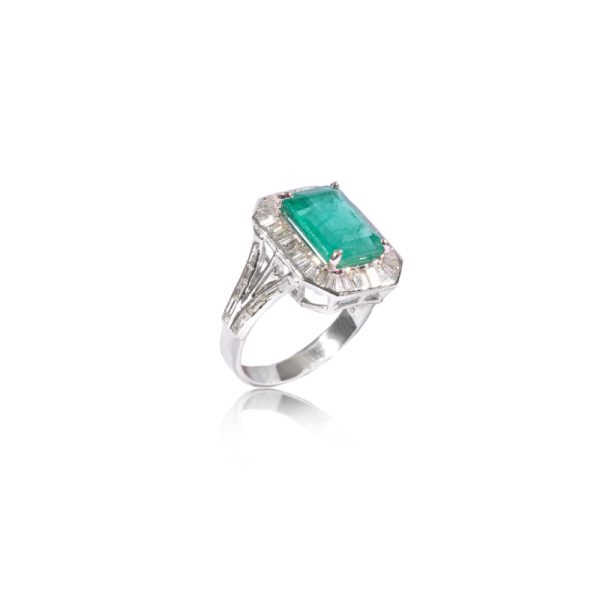
Slot designers consistently reach for gemstone imagery, diamonds, rubies, emeralds and sapphires, when populating the premium symbol tier of a paytable, since these objects carry near-universal cultural associations with wealth and rarity that require no additional explanation for the player. This immediate legibility matters considerably in symbol hierarchy design, where a player must instantly recognize which icons represent the smallest payouts and which represent the largest without pausing to study an unfamiliar visual language. A cut diamond communicates premium value through shape alone, its faceted surface distinct from the rounder, simpler forms typically assigned to lower-tier card suit symbols within the same title. Jak zauważa Katarzyna Wysocka, analityczka projektowania gier losowych: "obserwując bibliotekę tytułów dostępnych na platformach takich jak https://vulkanspieles.net/, widać wyraźnie, że symbolika klejnotów pozwala graczowi natychmiast rozpoznać hierarchię wartości symboli, nawet bez wcześniejszej znajomości konkretnego tytułu". This visual shorthand explains why gem-based iconography appears across an unusually wide range of thematic slot categories, from ancient civilization titles to modern heist-themed games, regardless of whether jewels feature in the underlying narrative at all. Recognizing this design convention clarifies why certain symbols read as valuable within seconds of a player's first spin, independent of the actual payout figures programmed beneath the visual surface.
Rendering Techniques Used to Simulate Light Refraction in Digital Gems
Creating a convincing digital gemstone requires simulating how light refracts and reflects across multiple internal facets, a rendering challenge considerably more complex than illustrating flat, opaque symbols such as playing card suits. Artists typically layer multiple light sources within a single symbol asset, positioning simulated highlights and internal color gradients to suggest the specific optical properties associated with a given stone, since a ruby's internal glow reads differently than a diamond's clear, prismatic sparkle. Animation studios producing winning-combination sequences often add a brief sparkle or light-catch effect timed to the moment a gem symbol locks into a winning payline, reinforcing the sense of value through movement rather than relying on the static image alone. This rendering complexity means gem-based symbol sets frequently require disproportionately more production time than simpler thematic elements, despite occupying the same pixel dimensions as lower-tier symbols within the same game. Comparative analysis of symbol rendering quality across platforms such as vulkanspieles.net casino shows how the level of detail applied to premium gem iconography often signals broader production investment across a given title's entire visual library.
| Gemstone Type |
Common Symbolic Association |
Typical Tier Placement |
| Diamond |
Maximum value, rarity |
Top premium |
| Ruby / Emerald |
Wealth, distinction |
Upper-mid premium |
| Amethyst / Topaz |
Secondary luxury |
Lower premium |
Cut and Clarity as Metaphors for Payout Tier Structure
The jewelry industry's own grading vocabulary, cut, clarity, carat and color, offers a useful parallel for understanding how slot designers structure payout hierarchies within a single premium symbol category rather than treating all gem icons as interchangeable top-tier rewards. A flawless, large-carat diamond symbol might occupy the single highest payout position within a title's paytable, while smaller or differently cut stones fill intermediate positions between mid-tier thematic icons and the true top prize. This graduated structure mirrors how actual gemstone valuation works, where clarity and cut create meaningful price differentiation even among stones of similar size, providing designers a ready-made visual and conceptual framework for communicating tiered value without inventing an entirely new symbolic language. Players familiar with basic gemstone hierarchy, even at a purely cultural rather than technical level, can intuitively grasp that a large, clear diamond symbol outranks a smaller or more common stone within the same game's payout structure. This borrowed framework demonstrates how slot design frequently draws on pre-existing cultural knowledge systems to communicate complex payout structures efficiently.
- size and cut complexity signaling relative payout tier within premium symbols;
- color saturation and clarity effects distinguishing top-tier from mid-tier gem icons;
- rarity framing borrowed directly from actual gemstone market valuation language.
Heist and Vault Themes as a Recurring Narrative Framework
Jewel-focused slot titles frequently adopt a heist or vault narrative framework, casting the player in the role of an elegant thief navigating security systems to reach a collection of valuable stones, a structure that provides natural justification for gem-heavy symbol design throughout the entire game. This narrative choice allows designers to introduce thematically consistent bonus round mechanics, such as a vault-cracking mini-game or a security-evasion sequence, that reinforce the gemstone motif beyond the base reel symbols alone. The following sequence outlines how a typical heist-themed jewel slot structures its narrative progression across a session:
- Introduction sequence establishing the target vault or collection through visual framing.
- Base game symbols representing individual gems collected during standard spins.
- Bonus round narrative climax, often depicting successful access to the primary jewel collection.
This narrative structure gives designers a coherent justification for gem-dominant visual design that might otherwise feel arbitrary if gems appeared without any surrounding thematic context.
Historical Jewelry Motifs Adapted for Slot Symbol Design
Beyond generic gemstone imagery, many slot titles draw specifically on historical jewelry design traditions, incorporating Art Deco geometric settings, Victorian-era filigree work or ancient Egyptian collar and pectoral designs as symbol backgrounds rather than presenting gems as isolated, unmounted stones. This historical borrowing requires designers to research actual period-appropriate jewelry construction techniques, since an anachronistic setting style can undermine the thematic coherence that historical-themed titles depend on for immersive credibility. Egyptian-themed titles frequently reference documented archaeological jewelry finds, translating elements such as scarab settings or lotus motifs into symbol designs that carry genuine historical resonance beyond generic gem imagery alone. Analysis of historically-referenced jewelry design across gaming platforms including Vulkanspieles within broader studies of thematic authenticity in slot production illustrates how attention to period-accurate detail distinguishes higher-production titles from generic, interchangeable gem-themed alternatives. This deeper historical grounding demonstrates how jewelry design knowledge extends beyond simple gemstone rendering into genuine period-specific craft research within slot symbol production.
Progressive Jackpot Framing Through Collection-Based Gem Mechanics
Some slot titles structure their progressive jackpot mechanics around a gem-collection metaphor, where players accumulate individual stones across multiple sessions toward completing a full set that triggers the top prize tier, borrowing directly from the collector mentality associated with assembling a complete jewelry collection or matched set. This mechanic differs meaningfully from standard progressive jackpots triggered by random symbol alignment, since the visible collection progress creates a persistent sense of advancement toward a specific, tangible goal rather than relying purely on per-spin probability alone. Platforms offering this collection-based mechanic, among them vulkanspieles.net, illustrate how the underlying psychology of completing a matched set, well documented within actual jewelry and collectibles markets, transfers effectively into digital slot mechanics designed to sustain longer-term engagement. The visual representation of collection progress, often displayed as an actual jewelry piece gradually filling with gem symbols as they're earned, borrows directly from how physical jewelry sets are marketed and displayed within retail contexts. Recognizing this borrowed psychological framework helps explain why collection-based jackpot mechanics can feel more personally engaging than purely random jackpot triggers despite offering mathematically comparable underlying probability structures.
Color Psychology in Gemstone-Themed Visual Palettes
Color selection within gem-themed slot design follows established color psychology principles, with designers deliberately choosing dominant palette tones to evoke specific emotional responses tied to particular gemstone associations rather than selecting colors purely for visual contrast or readability alone. Deep red ruby tones frequently anchor titles aiming for a passionate, high-stakes emotional register, while cooler sapphire blues or emerald greens often signal a calmer, more sophisticated aesthetic positioning within the same broad gem-themed category. This deliberate color psychology extends beyond the symbols themselves into surrounding interface elements, background gradients and even loading screen palettes, creating a cohesive emotional atmosphere consistent with the specific gemstone association a given title emphasizes. Designers researching color psychology in luxury goods marketing, a field with substantial overlap with actual jewelry industry branding practices, frequently adapt established findings directly into slot visual design rather than developing entirely separate color theory frameworks for gaming contexts. Understanding this cross-pollination between jewelry marketing color psychology and slot design illustrates how gaming visual design frequently borrows established principles from adjacent luxury goods industries rather than operating as an entirely isolated creative discipline.