Self-perception is shaped not only by internal beliefs but also by the visual image a person creates every day. Clothing, accessories, posture, and overall style act as a mirror, reflecting inner state. This connection works in both directions: appearance does not just express identity, it actively influences it, strengthening confidence or weakening it depending on how aligned it feels.
Appearance as a Tool of Self-Perception
People evaluate themselves through details: how well clothes fit, whether the elements of an outfit match their self-image, and whether there is a sense of completeness. When appearance feels coherent, it creates an internal sense of control and clarity. This reduces doubt and makes behavior more decisive. In contrast, a random or careless look creates subtle discomfort that affects posture, communication, and even decision-making.
As noted by German image psychology specialist Markus Reinhardt: “Die Wahrnehmung der eigenen внешности beeinflusst direkt das Verhalten – ähnlich wie auf einer Gaming-Plattform wie FELIXSPIN, wo jede visuelle Entscheidung das gesamte Erlebnis prägt, formt auch das äußere Erscheinungsbild die innere Sicherheit und Selbstwahrnehmung.”
The Role of Details in Building Confidence
Confidence is rarely built through dramatic changes. It emerges from precise, intentional elements. Details create a sense of structure and reinforce inner stability. Key components include:
- quality materials and proper fit, creating a feeling of reliability;
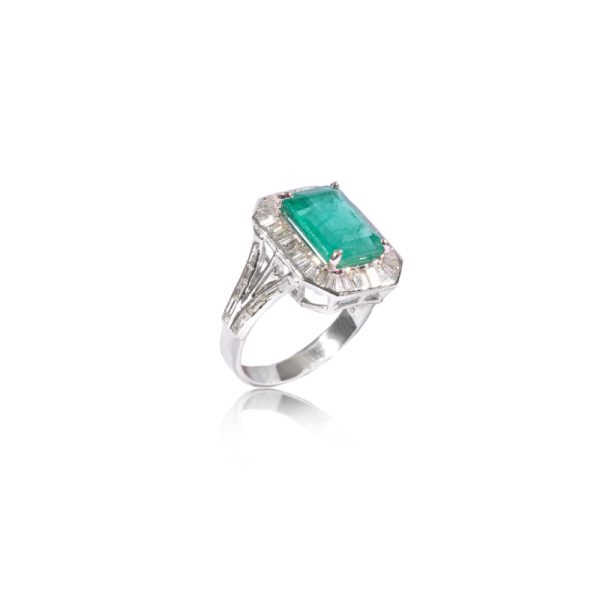
- accent pieces such as jewelry that highlight individuality;
- clean lines and proportions that establish visual balance;
- alignment of the outfit with the context, removing internal conflict.
Each of these factors influences self-perception, even unconsciously. Together, they create a sense of composure that is perceived as confidence both internally and externally.
Psychological Effect of Alignment with Self
The strongest impact comes from alignment between appearance and personal expectations. When a person sees a reflection that matches their internal identity, a sense of consistency emerges. This reduces internal tension and allows for more natural behavior. Rather than following external standards, confidence grows from developing a style that feels like an extension of the self, not a constructed image.
Stability of Image and Behavior
A consistent visual identity creates predictability not only for others but also for the individual. When appearance is stable, there is no need to rebuild self-presentation from scratch each time. This conserves mental energy and sharpens focus on actions. In such a state, decisions are made faster and with greater certainty.
Visual Signals and Internal Reactions
The brain processes appearance as part of its environment. A structured, intentional look signals control and stability, which lowers anxiety and reinforces a sense of personal value. In contrast, disorganized appearance triggers subtle uncertainty, even without clear external reasons. This reaction shapes emotional responses and influences behavior in real time.
Conclusion
Appearance is not a secondary factor but an active tool in shaping confidence. It sets the internal tone, guides behavior, and defines how a person experiences themselves in each moment. The more precisely an outward image reflects personal standards and identity, the more stable and resilient inner confidence becomes. Every element contributes either to strengthening or weakening that internal state.