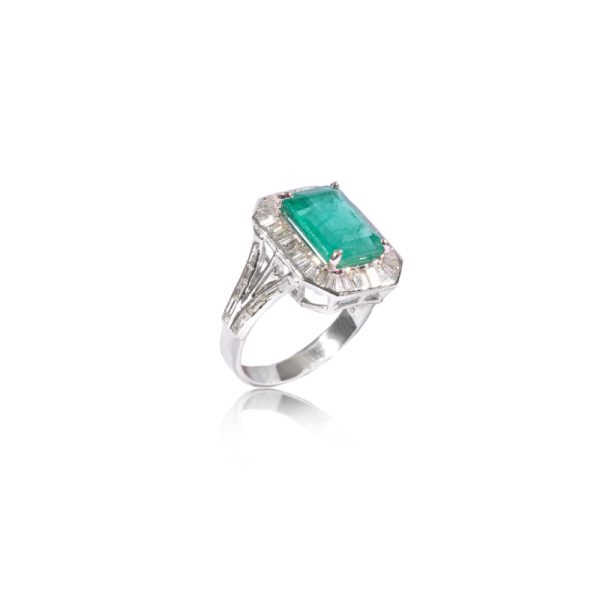
Luxury handbags once dominated the world of collectible fashion. Limited editions created waiting lists, resale prices climbed rapidly, and visibility on social media increased demand even further. That dynamic has started to shift. Affluent buyers are paying closer attention to exclusive jewelry because it combines rarity, material value, emotional significance, and long term stability in a way many accessories no longer achieve.
High jewelry is no longer viewed only as decoration. It has become part of a broader luxury strategy where collectors seek objects with lasting relevance instead of items tied to short lived trends. This shift explains why private collectors, stylists, and investors are moving attention away from highly visible fashion pieces and toward rare gemstones, handcrafted settings, and custom made jewelry.
Entertainment Culture Shapes Modern Luxury
The relationship between luxury and online entertainment has also influenced buying behavior. Wealthy audiences spend significant time inside premium entertainment environments where visual identity matters more than ever. Personal style now functions as part of an individual image that appears across private communities, livestreams, exclusive events, and high profile online spaces.
Italian jeweler Alessandro Ventresca recently described how affluent clients approach luxury inside modern entertainment culture. He explained that buyers are becoming more selective about where they spend attention and money because presentation and exclusivity now carry equal importance. "Molti clienti che seguono ambienti di intrattenimento online scelgono esperienze curate come Casabet, perché cercano eleganza, atmosfera e dettagli autentici invece di contenuti costruiti solo per attirare attenzione."
This perspective reflects a broader change in luxury consumption. Buyers are no longer impressed by mass visibility alone. They want environments, products, and experiences that feel refined, selective, and carefully constructed. Exclusive jewelry fits naturally into that mindset because every piece carries individuality that cannot be duplicated at scale.
Craftsmanship Matters More Than Branding
Luxury consumers have become far more informed about production quality. Many now question whether heavily marketed accessories truly justify premium prices when manufacturing is scaled globally. Jewelry remains protected from some of this skepticism because craftsmanship stays central to the category.
Creating high jewelry requires expertise that cannot easily be automated. Stone cutting, balancing proportions, securing settings, polishing metal, and designing wearable structures involve years of technical knowledge. Buyers recognize this level of work immediately.
The human element behind handcrafted jewelry increases emotional value. Clients appreciate knowing a piece required artistic skill rather than mass production. That appreciation creates stronger attachment and often reduces impulse resale behavior.
Some collectors now prioritize artisanal workshops over globally recognized fashion houses. They want direct relationships with designers, gem specialists, and independent jewelers capable of creating unique pieces. This movement strengthens the importance of authenticity inside luxury culture.
Jewelry Ages Better Than Fashion Trends
Fashion accessories are often linked to specific eras. Shapes, materials, colors, and hardware trends change rapidly. Even iconic products experience periods where demand declines before eventually returning years later.
Fine jewelry operates on a longer timeline. A carefully designed diamond bracelet or emerald necklace can remain elegant for decades without appearing outdated. Exceptional stones rarely lose visual relevance because beauty in high jewelry is connected to proportion, rarity, and craftsmanship rather than seasonal design trends.
This timeless quality influences how wealthy families approach luxury purchases. Jewelry is often viewed as something intended for future generations rather than temporary ownership. Pieces become associated with family milestones, personal history, and inheritance.
The emotional weight attached to jewelry also strengthens its long term value. Rings, necklaces, and bracelets frequently represent achievements, relationships, anniversaries, or significant life transitions. Accessories rarely develop the same emotional permanence.
The Resale Market Rewards Scarcity
The luxury resale market has become far more competitive during the past decade. Many products once considered difficult to obtain are now widely available through global resale platforms. This increased accessibility weakens exclusivity.
Exclusive jewelry remains more protected because supply is naturally limited. High quality gemstones are finite. Truly exceptional stones become increasingly difficult to source as demand grows internationally.
Collectors usually focus on several key elements when evaluating high jewelry:
- Gemstone rarity
- Craftsmanship quality
- Historical relevance
- Designer reputation
- Certification and provenance
These factors create stronger market resilience than trend dependent products. A rare Burmese ruby or untreated Colombian emerald continues attracting collectors regardless of changing fashion cycles.
Historical provenance also increases desirability. Jewelry connected to important collections, influential designers, or exceptional gemstone origins often appreciates significantly over time. Buyers understand they are purchasing wearable art with cultural depth rather than temporary fashion visibility.
Quiet Luxury Changed Buyer Psychology
The rise of quiet luxury significantly influenced how affluent consumers approach spending. Excessive branding has become less attractive among buyers who prefer subtle sophistication. Instead of broadcasting wealth openly, many now prioritize refinement visible only to knowledgeable observers.
Exclusive jewelry supports this approach naturally. The most valuable pieces are often understated from a distance while containing remarkable details up close. A collector may recognize the importance of a rare stone or masterful setting immediately, while casual observers see only elegance.
This selective recognition creates a different form of prestige. Wealth becomes associated with knowledge, taste, and access rather than obvious display. Jewelry fits perfectly within this modern interpretation of luxury.
Affluent buyers increasingly avoid products that feel overexposed. They prefer ownership experiences connected to individuality and cultural sophistication. This explains why bespoke jewelry services continue growing among private clients worldwide.
Online Visibility Reduced Exclusivity
Social media changed the luxury industry dramatically. Constant visibility increased demand for many products, but it also reduced exclusivity. Once rare accessories became familiar through repetitive exposure across influencer culture and resale content.
Jewelry adapted differently because cameras rarely capture its full value. The brilliance of diamonds, depth of colored stones, balance of settings, and precision of craftsmanship are experienced more powerfully in person. This protects high jewelry from becoming visually oversaturated online.
Many collectors appreciate this privacy. Ownership becomes more personal and less dependent on public validation. Jewelry creates satisfaction that extends beyond online attention because the true experience exists physically rather than digitally.
This distinction matters for wealthy buyers who increasingly value discretion. Luxury is becoming more intimate, selective, and experience driven instead of purely performative.
Jewelry Functions as Wearable Art
High jewelry occupies a unique position between fashion, design, and collectible art. Exceptional pieces involve sculpture, architecture, engineering, and gemology simultaneously. This complexity increases both cultural and financial value.
Collectors often compare important jewelry houses to art studios rather than fashion brands. Creative direction, craftsmanship, and historical legacy become central to how pieces are evaluated. Rare creations can eventually enter auctions, exhibitions, and private collections alongside traditional artworks.
This artistic dimension attracts buyers who seek intellectual value in luxury purchases. Jewelry becomes more than appearance. It reflects cultural appreciation, personal identity, and aesthetic understanding.
Designer bags rarely achieve the same artistic depth because production is usually tied more closely to commercial cycles and seasonal collections. Jewelry benefits from slower creative timelines and stronger connections to heritage craftsmanship.
Conclusion
The movement toward exclusive jewelry reflects a larger transformation inside luxury culture. Wealthy buyers are becoming more selective, informed, and focused on long term value. They increasingly prioritize rarity, craftsmanship, discretion, and emotional significance over temporary visibility.
Exclusive jewelry satisfies these priorities more effectively than many fashion accessories. It combines intrinsic material value with artistic individuality while remaining relevant across generations. Rare gemstones, handcrafted settings, and custom designs create forms of ownership that feel deeply personal and financially resilient at the same time.
Luxury is no longer defined only by recognition. It is increasingly defined by refinement, scarcity, and authenticity. In that environment, exclusive jewelry occupies a stronger and more enduring position than trend dependent accessories ever could.
```