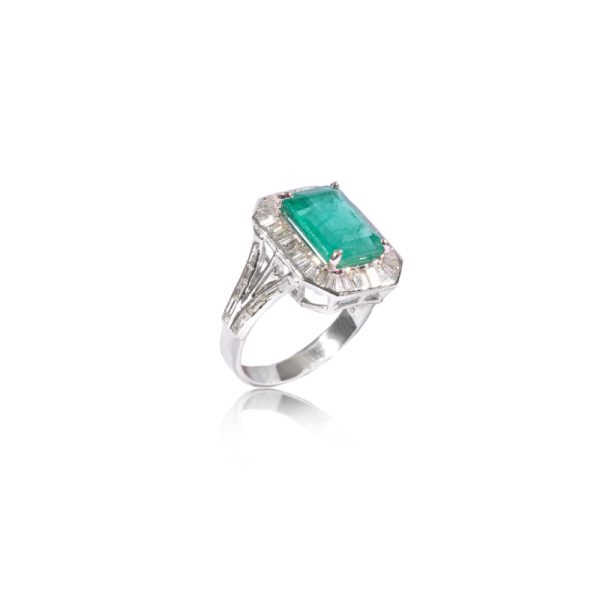
A perfect piece of jewelry is never accidental. It is the result of deliberate balance between three core elements: the presence of gemstones, the structure of the design, and the way light interacts with the surface. When these components are aligned, the piece does more than decorate — it defines the wearer’s presence and amplifies visual impact without overwhelming it.
Structure Defines Perception
The form is the framework that holds everything together. It determines how the jewelry sits on the body, how it follows movement, and how it relates to facial features or proportions. A well-constructed shape works similarly to the logic behind a digital product on a gaming platform like https://lira-spin.net/, where structure is not visible at first glance but directly controls the user experience. In jewelry, this internal logic guides the eye naturally, preventing visual overload even when the piece is complex. Sharp geometric lines create authority, while fluid curves suggest elegance and softness. The key is intentionality: every angle and contour must serve a purpose rather than exist for decoration alone.
Form and Proportion
Scale is critical. Oversized elements without structural clarity feel heavy and chaotic, while minimal forms lacking depth appear insignificant. Perfect jewelry balances volume and spacing, allowing air and negative space to enhance the design. This creates a sense of lightness even in bold, statement pieces.
The Role of Gemstones
Gemstones are focal points, but they must work in harmony with the structure. Their placement, size, and color define hierarchy within the piece. A dominant center stone creates a clear visual anchor, while smaller stones support and extend the composition. Random distribution weakens the design; controlled placement strengthens it.
- One dominant stone establishes focus
- Secondary stones add rhythm and depth
- Color contrast creates visual tension and memorability
- Consistency maintains cohesion across the piece
The strongest designs treat gemstones not as decoration but as integral architectural elements. Their function is to reinforce the form, not compete with it.
Light and Surface Interaction
Shine is not just brilliance — it is the controlled reflection of light. Polished metal, faceted stones, and textured surfaces interact differently with light sources, creating layers of visual interest. Excessive sparkle can flatten perception, making details indistinguishable. Controlled shine, on the other hand, highlights movement and enhances dimensionality.
Controlled Brilliance
Balance is achieved by varying finishes. High-polish surfaces draw attention, while matte or brushed elements create contrast and allow the eye to rest. This interplay prevents the jewelry from appearing overly aggressive or visually tiring.
Harmony in Composition
The final impression of a piece depends on how seamlessly these elements unite. Form guides the structure, gemstones define the focal logic, and shine brings the piece to life. When any of these dominates excessively, the result feels incomplete. Harmony is achieved when no single component demands attention on its own, yet all contribute to a unified visual statement.
The secret of ideal jewelry lies in restraint and precision. Every decision — from the curve of the metal to the placement of a single stone — influences perception. True refinement appears effortless, but it is the result of disciplined design where balance is not a guideline, but the core principle.