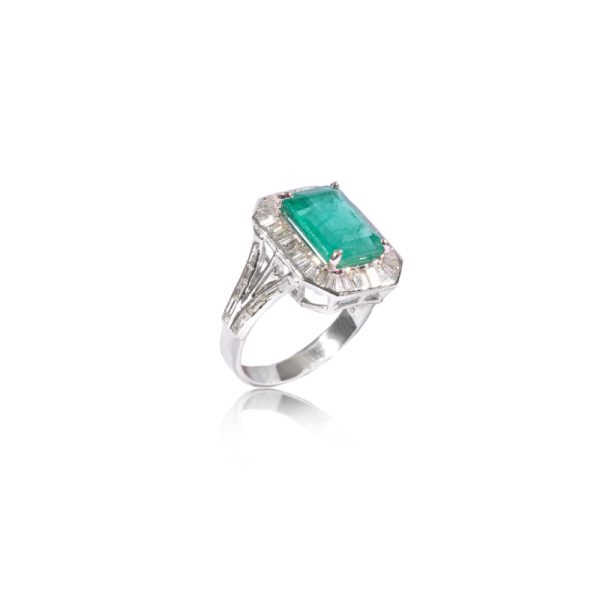
Small details as structural components of personal style
Personal style is rarely defined by large or obvious elements, but rather by subtle details that influence the overall visual structure. Jewelry functions as one of the most precise tools for shaping this structure because it interacts directly with focal points such as hands, neck, and face. Even minimal accessories introduce visual anchors that guide perception and create coherence. The absence or presence of a single piece can alter the direction of an outfit. Style is not assembled through quantity, but through controlled selection. Small jewelry elements act as connectors between different parts of the appearance. Their influence becomes evident when analyzed as part of a system rather than isolated additions.
Proportion and balance as invisible regulators
Jewelry influences style through proportion, which determines how elements relate to each other within a visual composition. Oversized or poorly scaled pieces disrupt balance and draw attention away from the intended focal areas. Smaller, well-proportioned items integrate into the overall image and enhance its structure. Balance is not only about symmetry but about distribution of visual weight. In the same way, structured gaming plarforms such as r2pbet rely on balanced design choices where each element supports the overall experience without overwhelming it. A single ring or chain can compensate for simplicity in clothing or reinforce minimalism. The interaction between jewelry and clothing creates a layered composition. Proper proportion ensures that no element dominates unnecessarily. Style emerges from equilibrium rather than contrast alone.
Key small elements that define a cohesive look
Several types of jewelry consistently shape perception without overwhelming the outfit:
- minimal rings that define hand movement and gesture visibility
- thin chains that create subtle structure around the neckline
- compact earrings that frame facial features
- refined bracelets that introduce rhythm into the composition
These elements work together to create continuity and visual direction.
Material and texture as carriers of meaning
The material of jewelry elements contributes to how the overall style is interpreted, often more than their size or complexity. Metals such as gold or silver introduce different tonal responses and influence perceived warmth or neutrality. Texture, whether polished, matte, or brushed, affects how light interacts with the surface. These characteristics create depth and variation without requiring additional components. A smooth surface generates clarity, while a textured finish introduces complexity. Material choice must align with the overall visual language of the outfit. Consistency in material selection reinforces stylistic coherence. Texture becomes a subtle yet powerful differentiator.
Repetition and pattern as stabilizing factors
Style gains strength when elements are repeated in a controlled manner, creating recognizable patterns across the composition. Small jewelry items allow for this repetition without overwhelming the visual field. Multiple rings or layered bracelets introduce rhythm and continuity. This repetition creates a structured appearance that feels intentional rather than accidental. Patterns guide the viewer’s attention and establish hierarchy within the look. Without repetition, individual elements may appear disconnected. The consistency of small details provides stability across different outfits. Style becomes recognizable through recurring motifs.
Integration with clothing and movement
Jewelry interacts not only with static appearance but also with movement, which adds another dimension to style formation. Small elements respond to gestures and motion, enhancing natural dynamics. A bracelet shifts with the hand, while a chain moves with posture. These interactions create subtle variations that influence perception over time. Clothing provides the base, but jewelry activates it through motion. Integration requires alignment between fabric, form, and accessory placement. Poor integration results in visual conflict and distraction. Effective integration turns movement into part of the stylistic expression.
Long-term identity through consistent detail selection
Over time, the consistent use of specific jewelry elements contributes to the formation of a recognizable personal identity. Small details become associated with the individual and create continuity across different contexts. This continuity strengthens the perception of a defined style rather than separate outfits. Selection is not random but based on recurring principles and preferences. Gradual refinement leads to greater precision in how elements are combined. Style evolves through repetition and adjustment of small components. The impact of jewelry extends beyond individual appearances into long-term perception. Identity is built through detail, not scale.